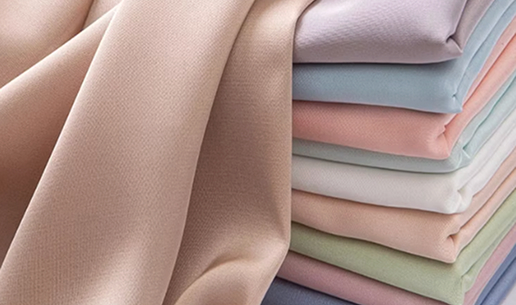
New Collection Alert! Over 20,000 Designs in Women's Ethnic Wear.

Introduction

As a retailer, understanding the different fabrics used in ethnic wear is crucial for making informed purchasing decisions and catering to your customers’ preferences. The fabric not only influences the style, comfort, and drape of the garment but also impacts the overall quality and pricing. In this guide, we’ll take you through some of the most common fabrics used in ethnic wear, their characteristics, and why they’re perfect for specific occasions.

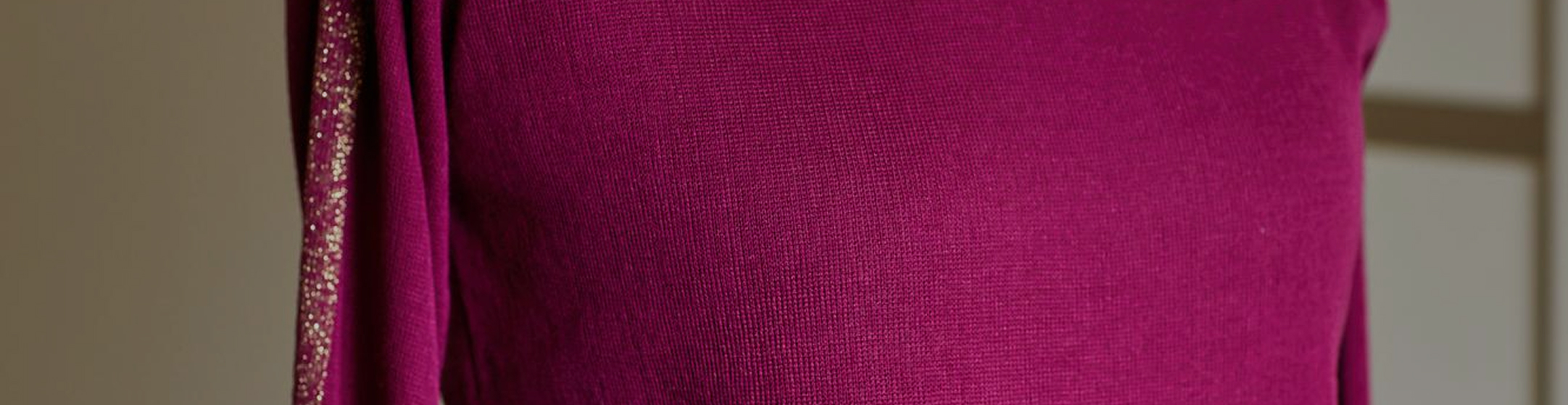
1. Cotton

  • Description: Cotton is a natural fiber known for its breathability and softness. It’s lightweight, making it ideal for hot and humid climates.
  • Uses: Cotton is widely used in ethnic wear like sarees, salwar kameez, and kurta sets. It’s perfect for casual wear and daily use.
  • Benifits: Comfortable, soft, and easy to maintain. Cotton garments are also versatile and come in various forms such as printed, embroidered, and dyed.

1. Silk

  • Description: Cotton is a natural fiber known for its breathability and softness. It’s lightweight, making it ideal for hot and humid climates.
  • Uses: Cotton is widely used in ethnic wear like sarees, salwar kameez, and kurta sets. It’s perfect for casual wear and daily use.
  • Benifits: Comfortable, soft, and easy to maintain. Cotton garments are also versatile and come in various forms such as printed, embroidered, and dyed.

1. Georgette

  • Description: Cotton is a natural fiber known for its breathability and softness. It’s lightweight, making it ideal for hot and humid climates.
  • Uses: Cotton is widely used in ethnic wear like sarees, salwar kameez, and kurta sets. It’s perfect for casual wear and daily use.
  • Benifits: Comfortable, soft, and easy to maintain. Cotton garments are also versatile and come in various forms such as printed, embroidered, and dyed.

1. Chiffon

  • Description: Cotton is a natural fiber known for its breathability and softness. It’s lightweight, making it ideal for hot and humid climates.
  • Uses: Cotton is widely used in ethnic wear like sarees, salwar kameez, and kurta sets. It’s perfect for casual wear and daily use.
  • Benifits: Comfortable, soft, and easy to maintain. Cotton garments are also versatile and come in various forms such as printed, embroidered, and dyed.

How to Choose the Right Fabric for Your Store

As a retailer, understanding your customers’ preferences is key to stocking the right fabrics. Here are a few things to consider:

  • Climate: Lighter fabrics like cotton and linen work well in warm climates, while heavier fabrics like velvet and brocade are suited for cooler seasons.
  • Occasion: Wedding and festive collections should focus on luxurious fabrics like silk, brocade, and velvet, while cotton and georgette are perfect for casual and daily wear.
  • Price Point: The cost of fabric influences the price of your products. High-end fabrics like silk and brocade will naturally be priced higher, while cotton and linen are more affordable options.

Conclusion

By understanding the various ethnic wear fabrics, you can make better purchasing decisions and offer your customers a curated selection of products that match their tastes and needs. Keep these fabric insights in mind when expanding your collection, and ensure your store stays ahead of the competition with quality, variety, and style.

Share this post